
Today I want to talk about the importance of also having a statistical and analytical background to succeed even further in the marketing industry. Today, the largest format for marketing is done through the web whether it be banners on websites, Facebook ads, or sponsored blog posts. No matter which format you are advertising on you will receive numerical feedback such as the reach of a post, link clicks, generated sales, time viewed, total views, and unique views. These numbers are very helpful, but only if you truly understand what they mean.
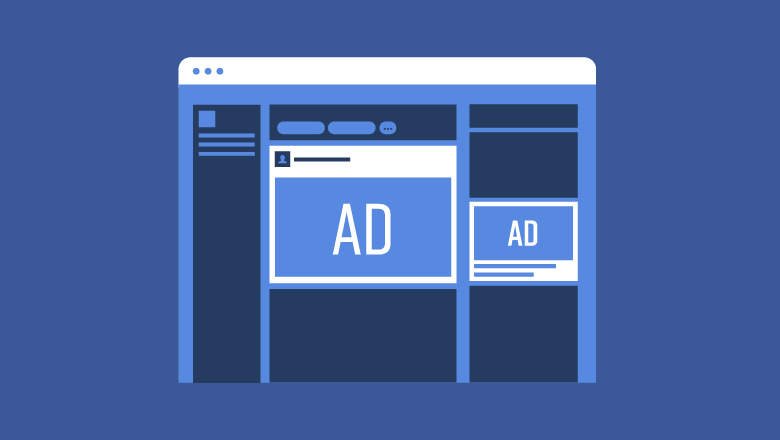
For example, if it shows that the total views of an advertisement are one million, that is not the true number of people that saw the ad. If one person saw the ad one million times, then in reality the ad has only reached one person. That is where the number of unique visitors come in. So, lets say there were 500,000 unique visitors that saw the ad. This means that at the end of the ads cycle those 500,000 people saw the ad two times.
Another example is link clicks for a post. This does not consider the amount of time spent on the linked website or accidental clicks. People that accidentally click on the ad and exit out immediately are still counted in this number. In the end these statistics mean almost nothing, especially if the average time visited for the page is low. It would be better to have an advertisement that has less clicks, but more time spent on the website. Normally, this equates to more sales because the people that follow the link are actually interested in the product or service.
Understanding this data leads to marketers being able to promote ads more or less based on the overall results. Today’s technology can even show you which regions are most interested in your ads so advertising money can be put more into those areas. Using all of these tools while also having a good understanding of statistical results can make an advertising campaign for a marketer extremely effective and give them a leg up on competitors.


